Fault Identification Before Repair Decisions Are Made
Truck diagnostic services in Johnston City for electrical, engine, and transmission faults identified at your location
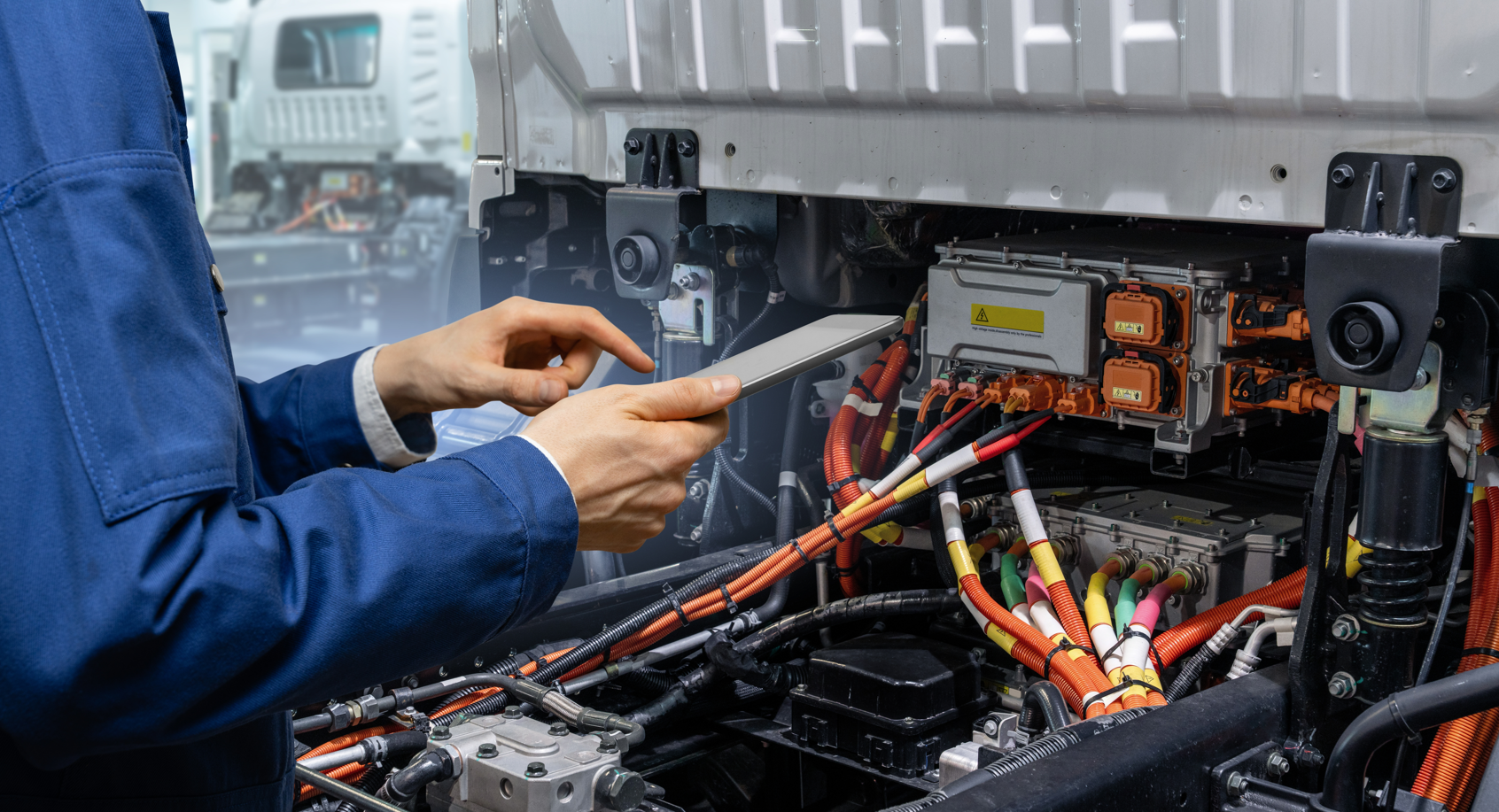
Accurate fault identification is where repair planning starts, and guessing at the cause of a heavy truck failure costs time, fuel, and money that a proper diagnostic would have avoided. Don's Heavy Duty Truck Repair brings scan tools and load-testing equipment directly to your location in Johnston City, connects to the truck's computer system, and retrieves all active and stored fault codes before any repair discussion begins. That sequence—diagnosis first, repair second—is what separates a solved problem from a truck that goes down again two runs later.
The technician arrives on-site, connects the diagnostic equipment, and communicates findings to the driver or fleet manager in plain terms before any repair labor is authorized. If the fault is straightforward—a sensor code, a correctable electrical issue, a transmission parameter fault—work can begin immediately. Complex failures are quoted and scheduled with a documented scope, so operators in the Harrisburg and Benton areas have a clear picture of what the truck needs rather than an open-ended repair estimate.
Request a mobile diagnostic visit to get a confirmed fault code report and a clear repair path for your truck.
What Proper Truck Diagnostics Actually Requires
Heavy duty truck diagnostic work isn't limited to pulling the fault code that triggered the check engine light. A thorough diagnostic session retrieves all stored codes—not just the active one—because prior faults that didn't clear often point to the root cause of the current failure. Don's Heavy Duty Truck Repair runs load-testing alongside code retrieval, which reveals performance issues that don't always register as active fault codes but still affect how the engine, transmission, or electrical system is functioning under demand.
After the diagnostic process is complete, you'll have a specific fault code list, an explanation of what each code means for the truck's operation, and a clear picture of which issues require immediate repair versus which are documented for monitoring. That documentation is useful for fleet managers tracking maintenance patterns across multiple units—knowing which trucks are accumulating recurring codes versus which have isolated faults changes how maintenance schedules get built.
On-site diagnostics also eliminate a common trap in heavy truck repair: sending a truck to a shop for diagnosis, receiving a quote, and then discovering the original fault code masked a secondary issue that surfaces after the first repair. When the diagnostic happens at your location with the driver present, the communication chain is shorter and the findings are clearer.
Common Questions About the Diagnostic Process
Drivers and fleet operators asking about truck diagnostics usually want to understand what the process involves and how the findings connect to repair decisions. These answers reflect how the work actually gets done.
What scan tools and equipment does the technician bring to a mobile diagnostic call?
The crew carries commercial-grade heavy duty scan tools compatible with major semi truck ECM systems, along with load-testing equipment to evaluate engine and electrical output under operating conditions—not just at idle.
How are stored fault codes different from active fault codes, and why do both matter?
Active codes indicate a current fault that the system has detected; stored codes show faults that occurred and may have cleared without being repaired—both are retrieved during the diagnostic because a stored code often explains why an active fault keeps recurring.
When can a repair start immediately after diagnostics versus when does it need to be scheduled?
If the fault is a sensor, wiring, or software parameter issue, repair typically begins at the same visit; mechanical failures involving internal components are documented and scheduled so parts and setup time are confirmed before work starts.
How does the condition of older trucks affect the diagnostic process?
Heavy trucks with high mileage often carry a history of stored codes that require sorting to identify which faults are active versus legacy; the technician walks through the code list systematically rather than treating the first active code as the sole issue.
What information should a driver have ready when requesting a diagnostic visit?
The truck's make, model, engine type, and approximate mileage help the technician bring the right scan tool interface; a description of when the fault appeared and whether it's intermittent or constant also shortens the on-site process.
Don's Heavy Duty Truck Repair also performs truck diagnostic services in Marion, Carbondale, Mount Vernon, Metropolis, and Murphysboro. Call (618) 579-4900 to schedule a mobile diagnostic visit and get a documented fault report before committing to any repair work.