Wiring and Charging Failures That Ground a Running Truck
Electrical system repair in Johnston City for semi trucks with dead charging systems, lighting failures, or unresponsive control modules
A semi truck that won't charge its batteries, loses lighting mid-route, or shows fault codes that won't clear presents a problem that most roadside operators can't diagnose without the right equipment. Don's Heavy Duty Truck Repair handles electrical system repair for semi trucks and trailers across Johnston City, arriving with diagnostic equipment rather than asking the driver to limp to a fixed shop. Older semis moving through the region carry wiring harnesses and circuit designs that predate integrated electronics, while newer units have control modules that require specific scan tools to access—both situations need a technician equipped for the actual architecture of the truck in front of them.
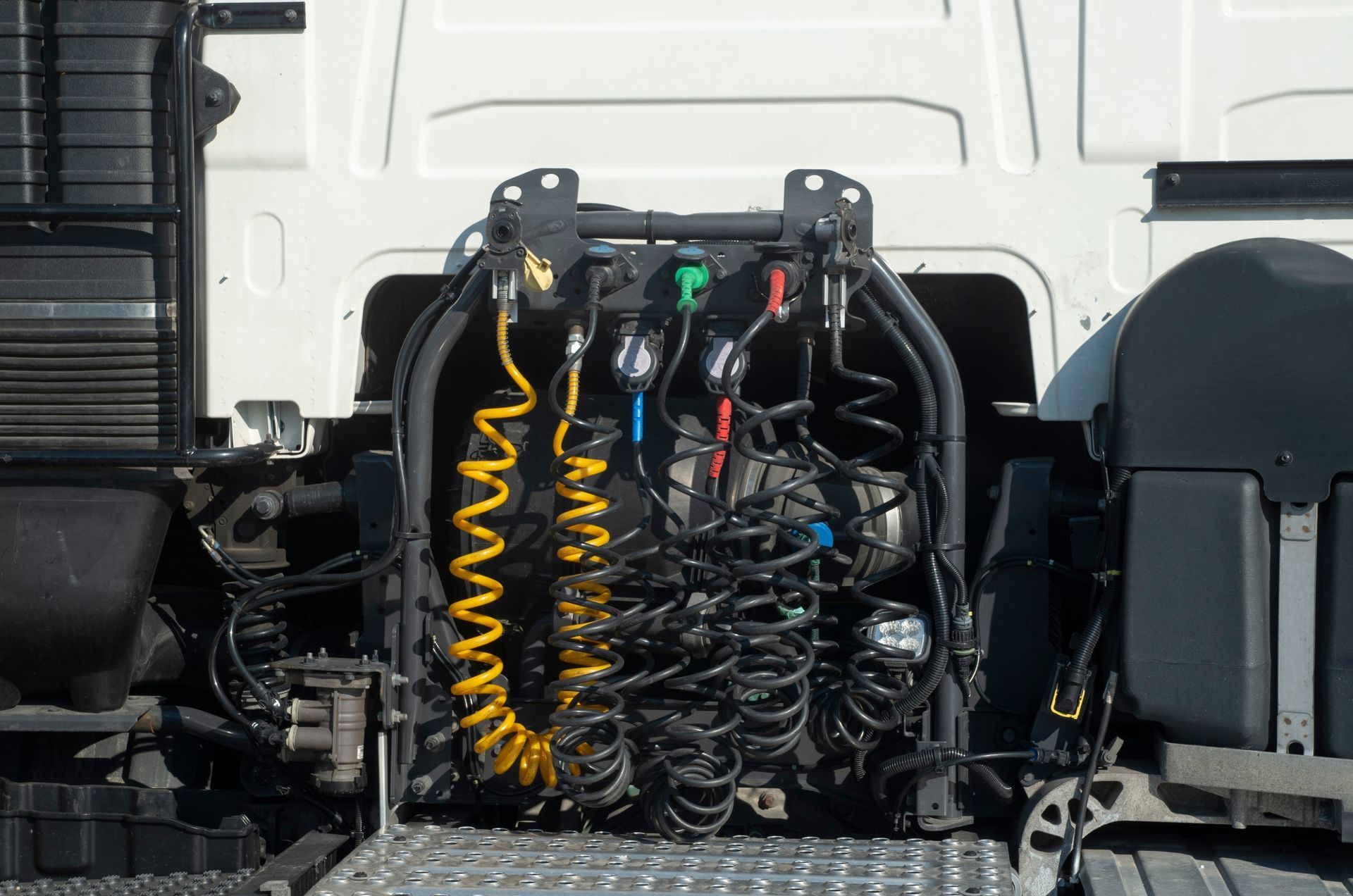
The diagnostic process starts with the charging system: battery condition, alternator output, and circuit continuity are tested before any component is replaced. Lighting failures on semi trailers frequently trace to corroded connector pins or damaged pigtail wiring at the fifth wheel rather than a failed bulb or fixture, and finding that point requires a wiring trace rather than a visual inspection at the fixture itself. If a control module or complex harness requires bench work, the truck is secured and next steps are arranged—most electrical repairs, however, are completed on-site using quality replacement components.
Schedule a mobile diagnostic visit to identify the source of the electrical fault before the issue grounds the truck entirely or triggers a roadside inspection violation.
What Proper Electrical Diagnosis Requires on Heavy Duty Equipment
Electrical repair on semi trucks differs from light-duty vehicle work in the architecture of the systems involved. A Class 8 truck runs separate battery banks for the engine start circuit and accessories, with alternator output in the 130 to 160 amp range—testing that system requires a heavy duty load tester, not the equipment sized for passenger vehicles. Trailer lighting circuits add connectors, junction boxes, and ground points that multiply the locations where a fault can develop, and each connection point that corrodes or loosens reads as a potential failure during a roadside inspection.
Once electrical work is completed, the changes you'll notice are concrete: lights that were intermittent hold steady through a full trailer connection cycle, the voltmeter holds in the charging range rather than dropping on extended idle, and fault codes that triggered warning lamps clear without returning. On trucks where a weak battery bank was causing hard starts, the engine turns over with the authority that indicates the starting circuit is drawing and receiving adequate current.
Don's Heavy Duty Truck Repair covers both truck and trailer electrical systems, which matters because trailer faults are frequently misattributed to the tractor—a systematic test of both sides of the connection identifies where the fault actually originates. Mobile service means the diagnostic work happens where the truck is parked, whether that's a yard, a loading dock, or a roadside pull-off.
Answers About How the Electrical Work Is Done
These questions address the inspection sequence, what the diagnostic equipment identifies, and what you can observe once the repair is complete.
What does the charging system test actually measure?
The test checks battery state of charge and capacity under load, alternator output voltage and amperage at operating speed, and the condition of the cables and connections between them—a battery that reads 12.6 volts at rest may drop below the starting threshold under the load of a cold engine crank.
How are trailer lighting faults traced when the fixture itself appears intact?
The circuit is tested from the tractor connector pin through the pigtail, along the trailer frame wiring, and to the fixture ground—corrosion at the connector or a chafed wire against the frame produces the same symptom as a failed bulb but requires a wiring repair rather than a replacement fixture.
When is a control module fault diagnosed versus a wiring fault causing a false code?
Scan tool data is read first to identify which circuit is reporting the fault, then the wiring and sensors associated with that circuit are tested for continuity and signal integrity before the module itself is condemned—replacing a module when the fault is upstream in the wiring does not resolve the code.
How does the age of a semi truck affect the electrical repair process in Johnston City?
Trucks built before integrated body control modules carry discrete relay and fuse circuits that are straightforward to trace with a wiring diagram; trucks with multiplexed systems require a scan tool that supports the specific protocol the manufacturer used, which is why older roadside operators without current diagnostic equipment refer those jobs out.
What should be checked after an alternator replacement to confirm the repair is complete?
Battery voltage should be measured at idle and at operating speed to confirm the alternator is producing within specification, the battery bank should be load-tested to confirm it accepted and holds the charge, and any fault codes set by the low-voltage condition should be cleared and monitored for return.
Don's Heavy Duty Truck Repair also handles electrical system repair in Marion, Carbondale, Mount Vernon, Metropolis, and Murphysboro. Call (618) 579-4900 to describe the fault your truck is showing and arrange a mobile diagnostic visit.