Compliance Inspections That Clear Trucks for Immediate Dispatch
DOT and commercial truck inspections in Johnston City for carriers needing certified roadworthiness before next dispatch
The inspection items that generate out-of-service orders during a roadside enforcement stop are the same ones evaluated during a pre-dispatch DOT inspection—the difference is when the problem is found and what it costs to address it. Don's Heavy Duty Truck Repair performs DOT and commercial truck inspections for semi trucks and trailers in Johnston City, with mobile service that brings the inspection to your yard or location rather than requiring trucks to travel to a fixed inspection facility. Interstate carriers moving through the region need timely compliance documentation, and local fleets dispatching from distribution points need certified inspections without taking units out of rotation for a full day.
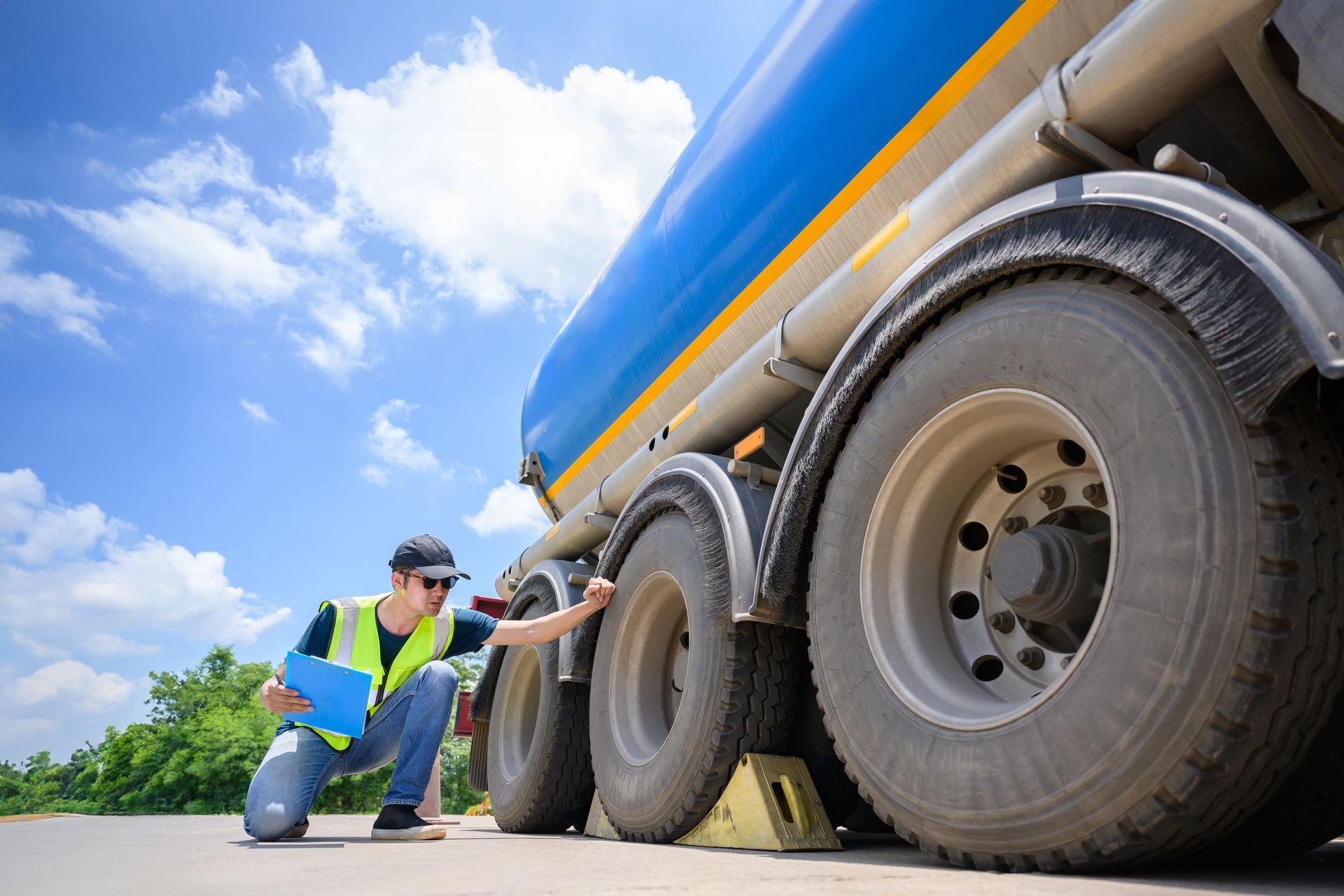
The inspection covers the full scope required under DOT standards: brake system function and adjustment, lighting condition across the tractor and trailer, wipers, mirrors, tires, coupling devices, and safety equipment. Each item is documented as the inspection proceeds, and pass paperwork is provided immediately upon completion for road use. If items are found that don't meet standard, Don's Heavy Duty Truck Repair can repair them on-site or schedule follow-up, keeping the unit at one location rather than coordinating between an inspection facility and a separate repair shop.
Contact the shop at (618) 579-4900 to schedule a mobile DOT inspection at your yard or current truck location before the next planned dispatch.
What a DOT Inspection Covers and How Deficiencies Are Handled
DOT inspections follow a defined federal standard, but the practical challenge for carriers is that an inspection result is only useful if any deficiencies found can be addressed without creating a second round of logistics. Don's Heavy Duty Truck Repair has been equipped and authorized for DOT inspection work since the operation began in 2007, and mobile service means the inspector and the repair capability arrive together. Brake adjustment is among the most common sources of out-of-service violations at roadside checkpoints—slack adjusters out of specification or air system leaks that drop pressure under application fail the brake performance portion of the inspection and require correction before the truck can be cleared.
Once the inspection is completed and any corrected items are re-checked, you receive pass documentation that establishes the truck met DOT standards at a defined date and time. For fleet managers, this creates a compliance record that supports carrier safety programs and demonstrates proactive maintenance practice in the event of an audit. Coupling devices and safety chains, which are easy to overlook during daily pre-trip checks, are evaluated as part of the inspection and documented along with the brake and lighting systems.
The 24-hour mobile availability throughout the week means inspections aren't limited to business hours, which matters for carriers running night dispatch or units arriving for inspection outside normal operating windows. Repairs identified during inspection can be addressed on-site for common failure items, keeping the process contained to a single visit where possible.
What Operators Ask About the Inspection Process
The following questions address what the DOT inspection covers, how deficiencies are handled, and what documentation you receive after the process is complete.
What brake system items does the DOT inspection evaluate?
The inspection checks brake lining condition and thickness, slack adjuster travel and automatic adjustment function, air system pressure and leak-down rate, and brake balance across all axles—any item outside federal specification generates a deficiency notation that must be corrected before the truck is cleared.
How are trailer lighting circuits checked during the inspection?
Each lighting circuit is tested through the tractor-trailer connection with the lights cycled through all functions—stop, turn, marker, and clearance lights are evaluated individually, and any circuit that doesn't respond is traced to the connector, pigtail, or fixture before being noted as a deficiency.
What happens if a tire is found at or near the legal tread depth limit during inspection?
Tires at the minimum tread depth for the position they occupy are documented; tires below the legal threshold for that position generate an out-of-service finding that requires replacement before the truck can be cleared, and that replacement can be arranged on-site through the mobile service.
Why does coupling device inspection matter on older trailer equipment in Johnston City?
Fifth wheel plates, locking jaws, and safety chains on trailers that have run heavy mileage develop wear at the locking mechanism that affects how positively the trailer locks to the kingpin—this wear is evaluated during the coupling device inspection and is a common finding on older equipment that hasn't had the fifth wheel serviced at regular intervals.
What documentation is provided after the inspection is complete?
Pass paperwork is issued immediately upon completion and documents that the truck met DOT standards at the time of inspection; if deficiencies were found and corrected, the repair documentation is included with the pass record to show the compliance chain was completed in sequence.
Don's Heavy Duty Truck Repair also performs DOT inspections in Marion, Carbondale, Mount Vernon, Metropolis, and Murphysboro. Call (618) 579-4900 to arrange a mobile inspection at your location and receive pass documentation the same visit.