Steering Play and Suspension Sag Demand Attention
Suspension and steering repair in Johnston City for semi trucks showing handling drift, uneven tire wear, or visible spring sag
Don's Heavy Duty Truck Repair provides suspension and steering repair for heavy duty trucks and trailers, including mobile service that comes to your location rather than requiring a shop visit. Leaf spring packs, kingpin assemblies, tie rods, and shocks are among the components this crew services regularly on both tractor and tag units. Trucks running loaded hauls on rough corridors accelerate wear on these systems faster than the mileage intervals suggest, and a steering pull or sagging spring that gets ignored tends to compound into tire damage and brake geometry problems.
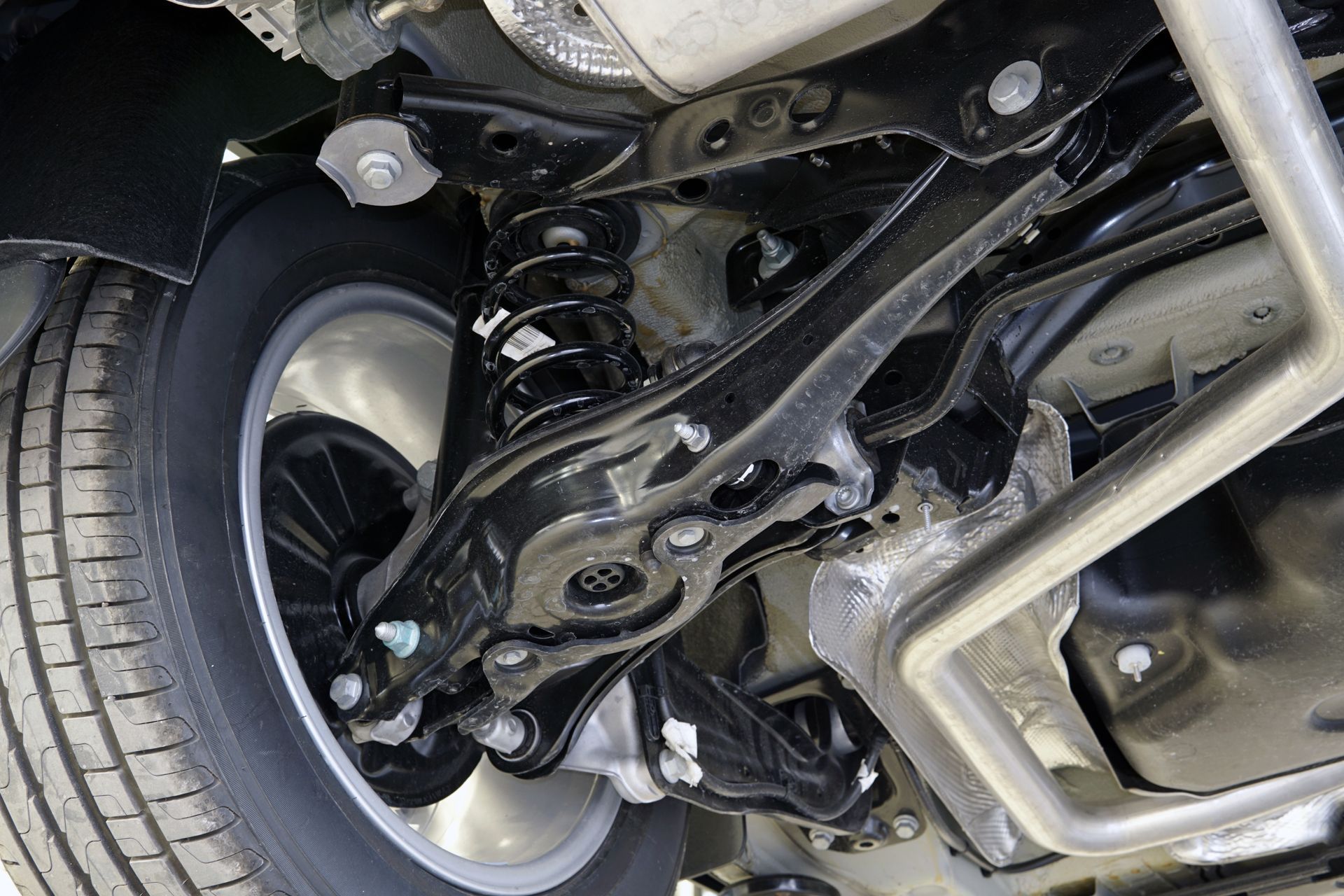
The process begins with the truck lifted and components inspected under load conditions—springs, shocks, bushings, and the full steering linkage are evaluated together rather than in isolation, because wear in one area often masks or accelerates wear in another. Leaf spring service includes u-bolt torque checks and pack replacement; kingpin work addresses seal and bearing condition rather than simply adjusting for play. Alignment is confirmed after any steering or suspension component replacement. Common failures like worn shocks and loose tie rods are typically repaired same-day, while major rebuilds are quoted and scheduled around your operation.
Arrange an on-site inspection to identify which suspension or steering components are contributing to handling issues before tire wear or damage progresses further.
How Suspension and Steering Work Is Actually Sequenced
Don's Heavy Duty Truck Repair has handled suspension work on heavy duty equipment since 2007, and the sequencing of that work matters as much as the parts used. Inspecting springs without checking the bushings and hangers that locate them, or replacing a tie rod without evaluating kingpin wear, produces repairs that return the same problem within a short interval. OEM-grade replacement components are used throughout, which matters on units carrying heavy loads where undersized aftermarket parts deflect under stress and accelerate neighboring wear points.
After work is completed, you'll notice the steering wheel tracks straight without correction, the cab no longer pitches or rolls at low speed over uneven surfaces, and tire contact patches show even wear rather than feathering on one edge. On units that had visible spring sag, the ride height returns to specification and load distribution across the axle normalizes. These are observable changes, not maintenance abstractions—a truck that tracked poorly before will steer predictably after kingpin and tie rod work is done correctly.
The crew handles both tractor and tag units, which is relevant because tag axle suspension geometry differs from the steer axle system and requires separate inspection points. Mobile service is available across Johnston City and throughout the region, so the work happens where the truck is parked rather than requiring a tow to a fixed facility. Roadside repair prevents cascading damage when a suspension failure occurs mid-route.
What Operators Ask About Suspension and Steering Work
The questions below address how this repair work is performed, what the inspection covers, and what you can check once work is complete.
What does the suspension inspection actually cover on a semi truck?
The inspection covers springs, shocks, bushings, u-bolts, hangers, and the full steering linkage including tie rods and kingpins—evaluated with the truck lifted so components are examined under realistic load geometry rather than at rest.
How is kingpin wear assessed before deciding whether to replace the assembly?
Kingpin wear is measured by checking lateral and vertical play at the king pin itself, then inspecting the condition of the seals and bearings that locate it; wear beyond manufacturer specification requires bearing and seal renewal rather than adjustment alone.
What happens after steering or suspension components are replaced?
Alignment is confirmed after any suspension or steering repair, because replacing a tie rod or correcting a spring pack changes the geometry that determines how the axle tracks—skipping this step produces premature tire wear even with new components.
How does leaf spring pack replacement differ from simply adding a leaf?
Full pack replacement involves removing the existing stack, inspecting the center bolt and all leaves for fatigue cracks, replacing worn components, and torquing u-bolts to specification; adding a single leaf without addressing worn neighboring leaves or fastener condition restores height temporarily but not load distribution.
Why does steering play return after a tie rod replacement if the underlying problem isn't identified?
Tie rod wear is often downstream of kingpin wear—if the kingpin has excess play, steering load transfers unevenly to the tie rod ends and accelerates their wear; addressing the tie rod without inspecting the kingpin typically results in the same symptom returning within a short service interval.
Don's Heavy Duty Truck Repair also performs suspension and steering repair in Marion, Carbondale, Mount Vernon, Metropolis, and Murphysboro. Call (618) 579-4900 to describe what your truck is showing and schedule an on-site evaluation.