Diesel Delivery That Gets Stranded Trucks Moving
Mobile fuel delivery in Johnston City for semi trucks and trailers that run dry between stops
Running a loaded trailer dry on a rural interstate is a scheduling problem that compounds by the hour. Don's Heavy Duty Truck Repair delivers diesel directly to semi trucks stranded on the road in Johnston City and throughout the region, eliminating the need to arrange a tow or wait for a wrecker that can only move the problem, not solve it. The service is available around the clock, and the typical gap between a driver's call and the moment the truck is fueled and rolling again runs approximately thirty minutes.
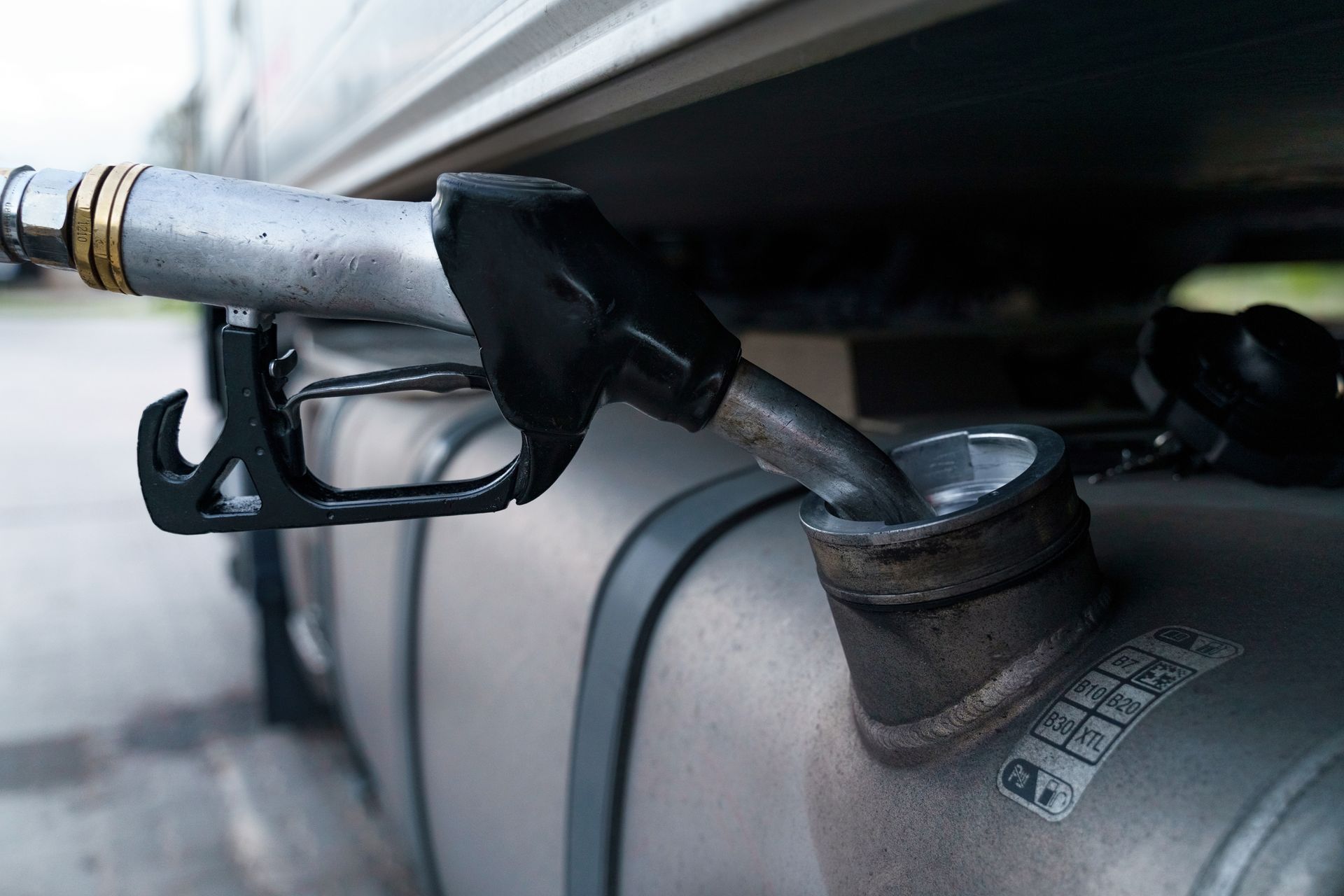
The process is straightforward: call with your location and the fuel type you need, and a mobile fuel truck is dispatched to meet you. On arrival, diesel is pumped directly into the tank, payment is settled, and the truck is cleared to move. No tow, no waiting for a parts run, no coordinating with a separate service provider. The mobile unit carries the equipment needed to reach trucks parked on highway shoulders, at weigh stations, or in areas where a standard fuel tanker cannot maneuver easily.
Contact Don's Heavy Duty Truck Repair directly with your location to get a fuel delivery dispatched to your position.
Why Mobile Fuel Service Works Where Standard Options Fail
The interstate corridors running through southern Illinois have significant gaps between truck-accessible fuel stops, and drivers managing fuel loads based on expected mileage can miscalculate when routing changes, detours, or traffic add distance to a run. Don's Heavy Duty Truck Repair built mobile fuel delivery around this reality—the service area is designed to cover the stretches where a driver running low cannot reasonably expect to coast to a pump. Dispatch operates twenty-four hours a day, seven days a week, because fuel emergencies do not follow business hours and a driver sitting on the shoulder overnight is losing time the operation cannot recover.
Once the delivery is complete and the tank is filled to a workable level, the truck starts, systems initialize, and the driver can clear the shoulder and resume the run without any further intervention. There is no tow charge, no impound process, and no delay waiting for a shop to open. The observable result is simple: the truck moves under its own power within the service window.
Fuel delivery covers the diesel required to get the vehicle to the next fueling location or to its destination, not necessarily a full tank fill depending on the mobile unit's available supply at dispatch—drivers with questions about volume can ask when they call so expectations are set before arrival.
Questions About How Mobile Fuel Delivery Works
These answers explain the mechanics of mobile diesel delivery for semi trucks—what the service involves, how it reaches stranded drivers, and what happens from the moment a call is placed to when the truck is back on the road.
What information should a driver have ready when calling for fuel delivery?
Your precise location is the most critical detail—mile marker, highway name, direction of travel, and any visible landmarks that confirm position, because dispatch uses that information to route the mobile unit directly to you without back-and-forth.
How does the mobile unit pump fuel into the truck when it's parked on a highway shoulder?
The fuel truck carries a pump and metered hose capable of reaching the tank fill point from a safe standoff position, so the delivery can be completed without moving the disabled truck into traffic or an unsafe position.
Why do drivers running routes through rural southern Illinois corridors carry less reserve fuel margin than the run actually requires?
Load weight, grade, and idle time during mandatory rest stops consume more fuel than highway mileage calculations account for, and drivers who optimize for legal weight limits sometimes compress the fuel load below the margin needed to cover unplanned distance.
What happens after fuel is delivered if the truck does not start due to fuel starvation affecting the injection system?
If the engine has been run dry long enough to introduce air into the fuel lines, the system may require bleeding before the engine will fire—a situation Don's Heavy Duty Truck Repair technicians can assess on-site given the mobile service capability they carry.
How is the delivery volume determined for a truck that ran completely dry versus one that has a small amount of fuel remaining?
Trucks that ran completely dry typically receive enough fuel to start and run plus a safe margin for the nearest stop, while trucks with residual fuel in the tank are assessed based on what the driver confirms is needed to complete the current leg of the run.
Don's Heavy Duty Truck Repair also delivers fuel to stranded trucks in Marion, Carbondale, Mount Vernon, Metropolis, and Murphysboro. Call (618) 579-4900 with your location and fuel type and a mobile unit will be dispatched to bring you back online.